Retail customer experience is often discussed as a journey: search online, check stock, visit a store, pay, collect, return, and share feedback. Those steps matter. But a store can also offer something a website cannot: a place where people can explore, ask questions, try something new, and feel part of an activity.
Decathlon India built its store experience around that possibility. Its story shows how energized retail employee engagement can shape what shoppers feel, and how a team can use the FISH! Philosophy to turn a business goal into a more active customer experience in retail.
What was Decathlon India trying to change?
The French sports goods major retailer entered India with an ambitious strategy based on its global model of flagship stores. The market was dominated by smaller unorganized retailers, which created a challenge for the company.
Decathlon’s main objectives were to have energized retail staff who could create an unusual customer experience and to increase footfalls, resulting in higher sales. That is a useful starting point for any retailer. A goal such as “improve customer experience” becomes more practical when it is connected to the people who meet shoppers and to a clear business outcome.
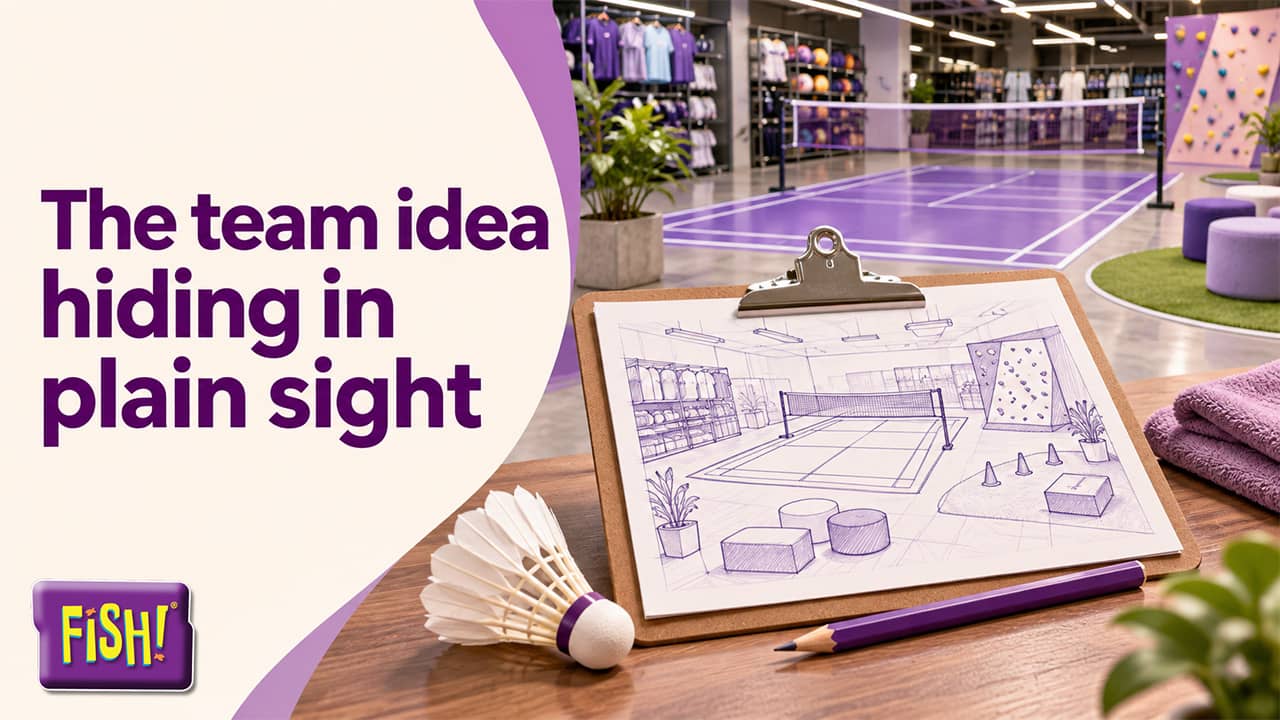
The team showed a very high commitment to customers, especially children and young adults. It created opportunities for shoppers to play, handle, experiment, understand, practice, and master a sport, along with free coaching and a play area in every store.
Together, those choices gave shoppers more ways to take part. A person could do more than look at a product and decide whether to buy it. The store became a setting for learning and trying, helping Decathlon India develop an unusual store experience for shoppers.
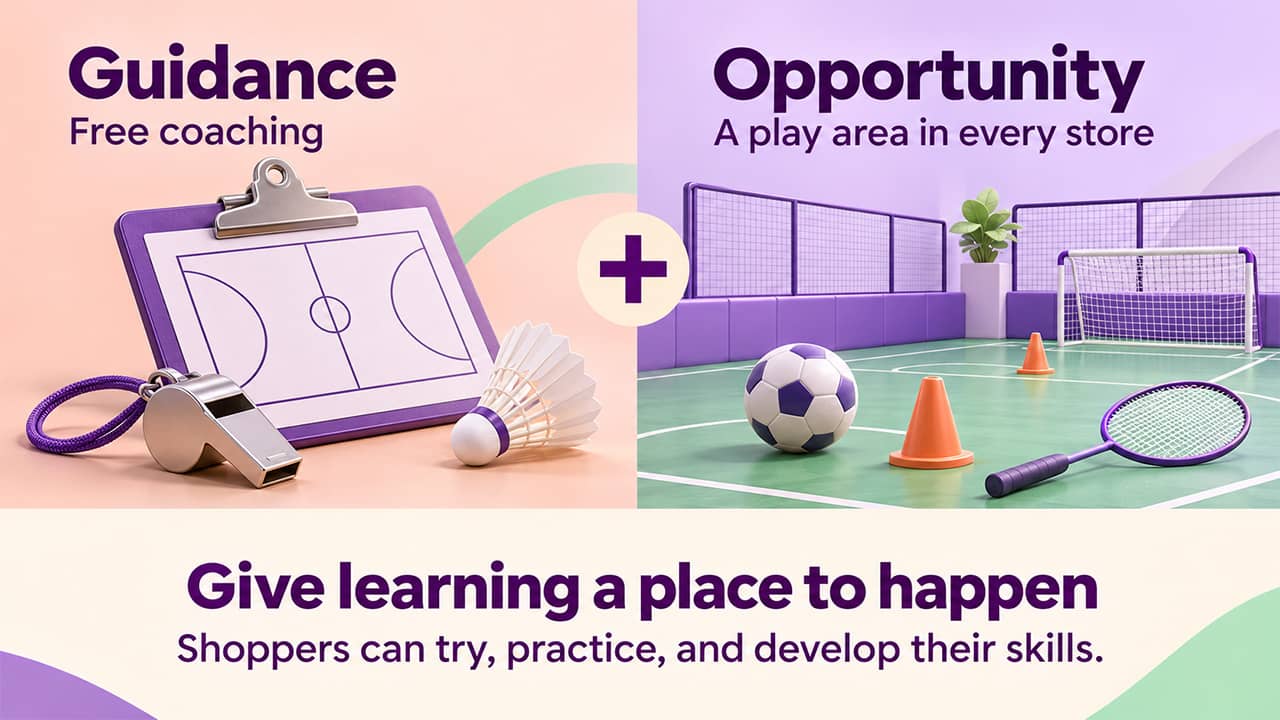
Free coaching and a play area in every store gave shoppers a place to try, practice, and develop their skills.
How did the FISH! workshops spread through the stores?
The first workshop was for managers. They immediately saw value from the intervention, and workshops were then conducted across various stores. Using playstorm and stinky fish exercises, the teams generated several ideas that led to tremendous success for Decathlon in India.
The order matters because managers shape what a team believes is possible. Starting with them makes room for the same culture conversation with store teams and treats employees as creators of the customer experience, rather than script followers.
Decathlon India’s store teams adopted the FISH! Philosophy as the company grew from 0 to 69 stores in India. Sales were the highest in the sports retail industry in India. The philosophy was one contributing factor in the store culture and customer experience behind that growth, not the sole cause of the store count or sales.
Decathlon India was one of many organizations whose results with the FISH! Philosophy have been documented.
Why does staff energy shape the retail customer experience?
A store can have clear signs, easy self-service, pickup options, simple returns, and useful technology, yet still feel flat if the people inside it seem distracted or unwilling to help. Staff energy changes the meaning of every touchpoint.
A knowledgeable store associate can make a confusing choice easier, while a present team member notices when a shopper needs help. With a warm welcome, exploration feels safer and more natural.
That matters as shopping moves online. Digital channels make comparison and convenience easier, so a physical store needs to offer a reason to visit beyond products on shelves. People may come to test a product, learn a skill, ask a real person a question, or enjoy an activity with someone else, and energized employees help create those moments.
This is where Choose Your Attitude and Be There fit together. Choose Your Attitude means noticing the attitude a person is bringing and choosing how to approach the situation, both before work and as circumstances change. The practice asks people to take responsibility for how they show up while leaders demonstrate it themselves, even when a moment is difficult.
Be There means complete presence: physical, mental, and emotional. In a store, that can mean looking up from another task, listening to the actual question, and staying open when a shopper is uncertain or sees the problem differently. Presence helps a team avoid generic answers and notice what the customer needs in that moment.
Retailers can put this into practice without a rigid script. Before a shift, a team might ask, “Who are we being while we are serving customers today?” During the day, people can notice distraction and bring their attention back, while managers model the behavior.
How can a retailer create an in-store experience people want to visit?
Start by asking what a shopper can do in the store that is harder to do online: try a product, get coaching, join an activity, solve a problem with an expert, or discover something with family. That is the promise of experiential retail, where a visit offers something useful or memorable alongside the purchase.
Decathlon India’s teams created opportunities for shoppers to play, handle, experiment, understand, practice, and master a sport. The stores also offered free coaching and a play area in every store. Those details made the sporting goods store more active and helped children and young adults engage with the products and the activity around them.
Retailers should choose activities that fit their products and customers. A kitchen retailer might let people test tools, while a bookstore might create a short workshop. The activity should help people understand the product or its purpose.
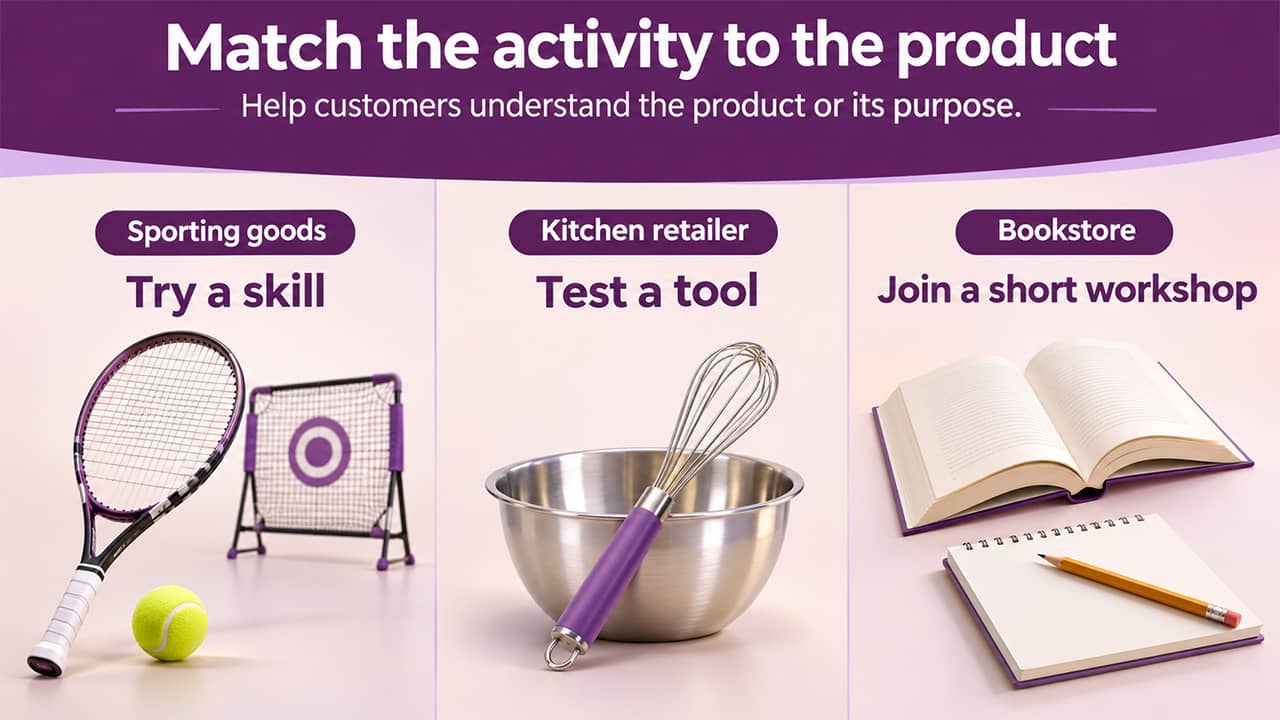
The best in-store activity helps customers understand the product or its purpose.
Play is useful here because FISH! defines it as bringing curiosity, energy, and creativity to work. It can be lighthearted, but its most important effects often appear in creative thinking and problem solving. People need room to try ideas, learn from attempts that do not work, and express themselves within clear boundaries.
A team can agree on what must remain safe, respectful, and useful, then give employees room to improve the experience. That is why idea-generating exercises can be stronger than handing employees a finished plan: store teams see customer questions and barriers up close, so they can uncover possibilities a distant process designer might miss. The leader’s role is to set the playing field, listen, and help turn ideas into actions that fit the brand and customer.
How can retailers make shoppers feel noticed?
A high commitment to customers calls for more than fast service. It starts with noticing the person, understanding what would help, and leaving them better off. For a child or young adult learning a sport, that might mean encouragement, a chance to try, or a patient explanation.
Make Their Day gives teams a simple lens for this work. The practice means creating meaningful moments by showing that another person’s effort, choices, and presence matter. Sincerity gives those moments their value, while recognition often helps someone feel that another person paid attention in a way that matters.
Be There comes first in a practical sense, even though FISH! has no required order. A store associate cannot make a meaningful moment for a shopper they have not noticed.
The team can look for small, genuine ways to help, encourage, thank, or recognize customers and coworkers. Managers can recognize specific employee behavior and its impact on the experience.
This people-first approach should sit beside the process side of customer experience. Retailers still need accurate stock information, clear signage, easy payment, pickup choices, simple returns, and feedback such as customer comments, satisfaction measures, and effort scores. When employees use those systems with attention and care, the practical journey becomes more connected for shoppers.
What can store teams do first?
Begin with managers, as Decathlon India did, and make the discussion practical. Ask leaders what kind of experience they want customers and employees to have. Then ask what behaviors would make that experience visible on a normal shift.
From there, involve store teams in generating ideas. Keep the conversation close to real customer needs by asking where shoppers hesitate, what would help someone try a product or feel welcome, and what would help an employee bring more curiosity and energy to the floor.
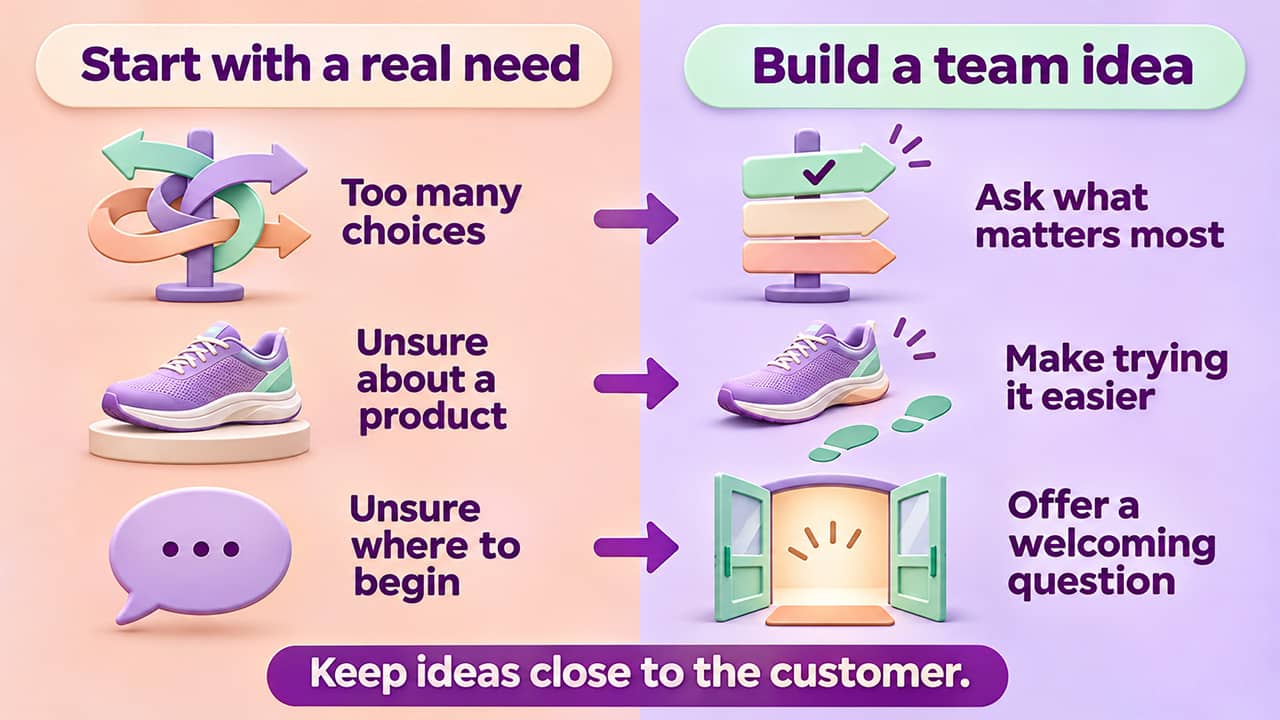
Store teams see where shoppers hesitate, so their ideas can stay close to what customers need.
Use the four FISH! practices as a shared language. Choose Your Attitude invites people to decide how they want to show up, while Be There keeps attention on the customer and the team.
Make Their Day turns an ordinary interaction into a moment that matters. Play opens room for curiosity and better ways to work, with the other practices helping that creativity stay respectful and useful.
Then test a small idea, listen to customers and employees, and adjust. The goal is to build a store culture that keeps asking how people want to be while they work and what customers should feel when they leave. A customer experience becomes something people can feel when the team keeps learning from real interactions.
A better store experience starts with the people in it
Decathlon India’s experience suggests that retail differentiation can grow from the inside out. Its energized teams created more opportunities for customers to engage with sport, while the FISH! Philosophy gave the culture one contributing set of practices to work with as the company grew. Invite employees to shape the experience, give them a clear and expandable playing field, and help them stay present with the people they serve.
Try one conversation with your team this week: What would make our store more useful, more welcoming, or more enjoyable to visit? Choose one idea to test, then pay attention to how customers and employees respond.
Try the FISH! Philosophy with your team
If you want a shared way to begin those conversations, try the FISH! Philosophy upgraded trial. It gives your team 30 days of access to the FISH! film and its digital guides, so you can start putting ideas about attitude, presence, meaningful moments, and play into practice.

Frequently Asked Questions
What is experiential retail?
Experiential retail gives shoppers something useful, engaging, or memorable to do in a physical store, rather than treating the visit as only a purchase. It can include demonstrations, classes, trials, coaching, or spaces that help people explore a product and its purpose.
How can a retailer measure an in-store experience?
Use a mix of customer feedback and operating signals. Retailers can review customer satisfaction, recommendation measures such as NPS, customer effort, repeat visits, conversion, returns, and comments from shoppers, then pair those numbers with employee observations about what customers ask for and where they struggle.
How can retail leaders improve employee engagement?
Start by listening to store employees and giving them a voice in solving customer problems. Leaders can model the attitude they want, be fully present in conversations, recognize specific contributions, and create a safe playing field where people can test useful ideas.
Does a playful store experience work for every retailer?
The form of play should match the product, customer, and setting. Play can mean curiosity, experimentation, and creative problem solving, so it requires room for people to explore in a respectful and purposeful way.
How can a retailer keep an experiential store consistent across locations?
Give every location a clear purpose and a shared set of customer promises, then let local teams decide how to express them. Regularly compare customer feedback and employee learning across stores so the experience can stay recognizable while improving over time.